Bothell's mix of new kitchens, apartments and older homes
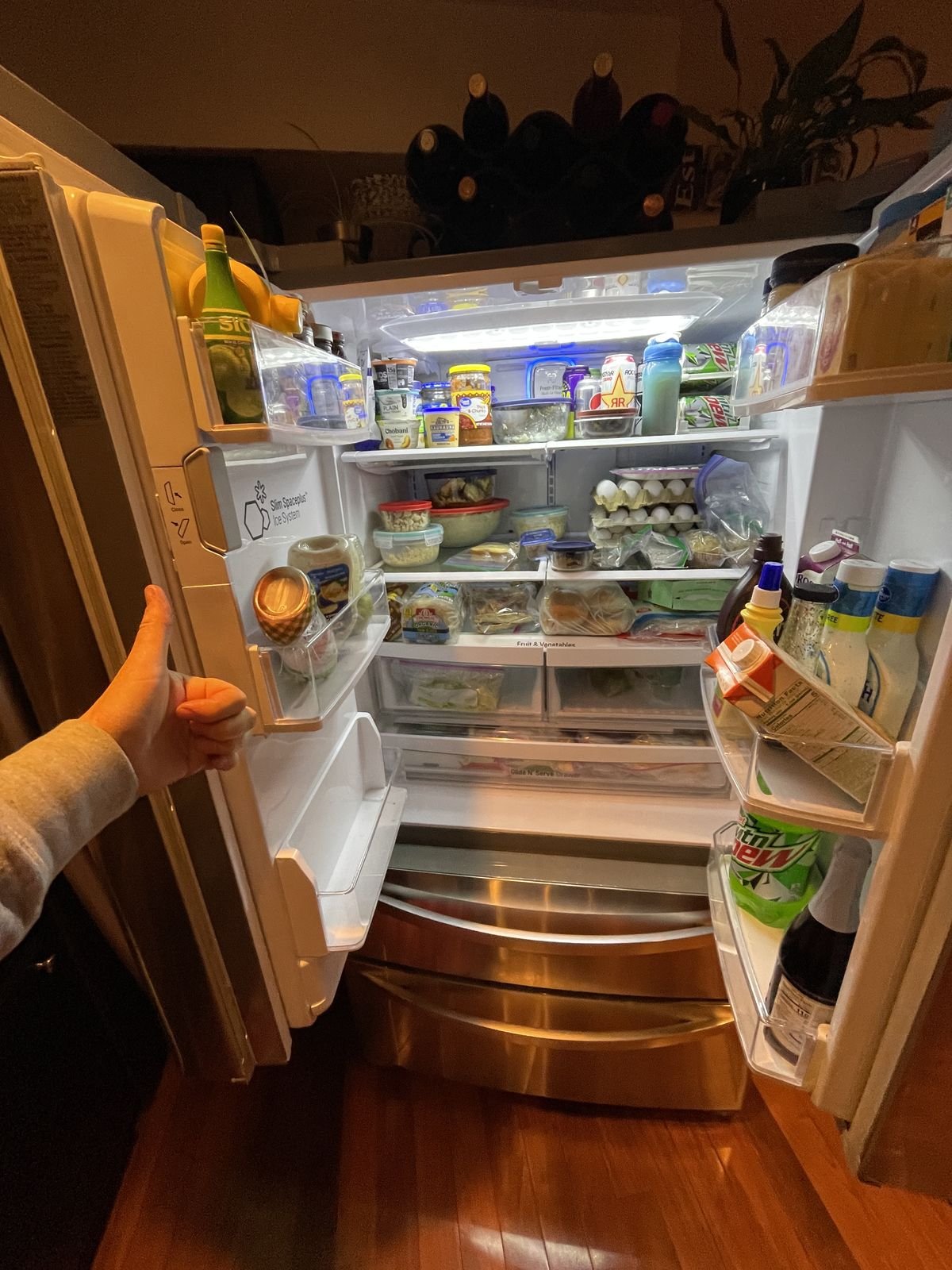
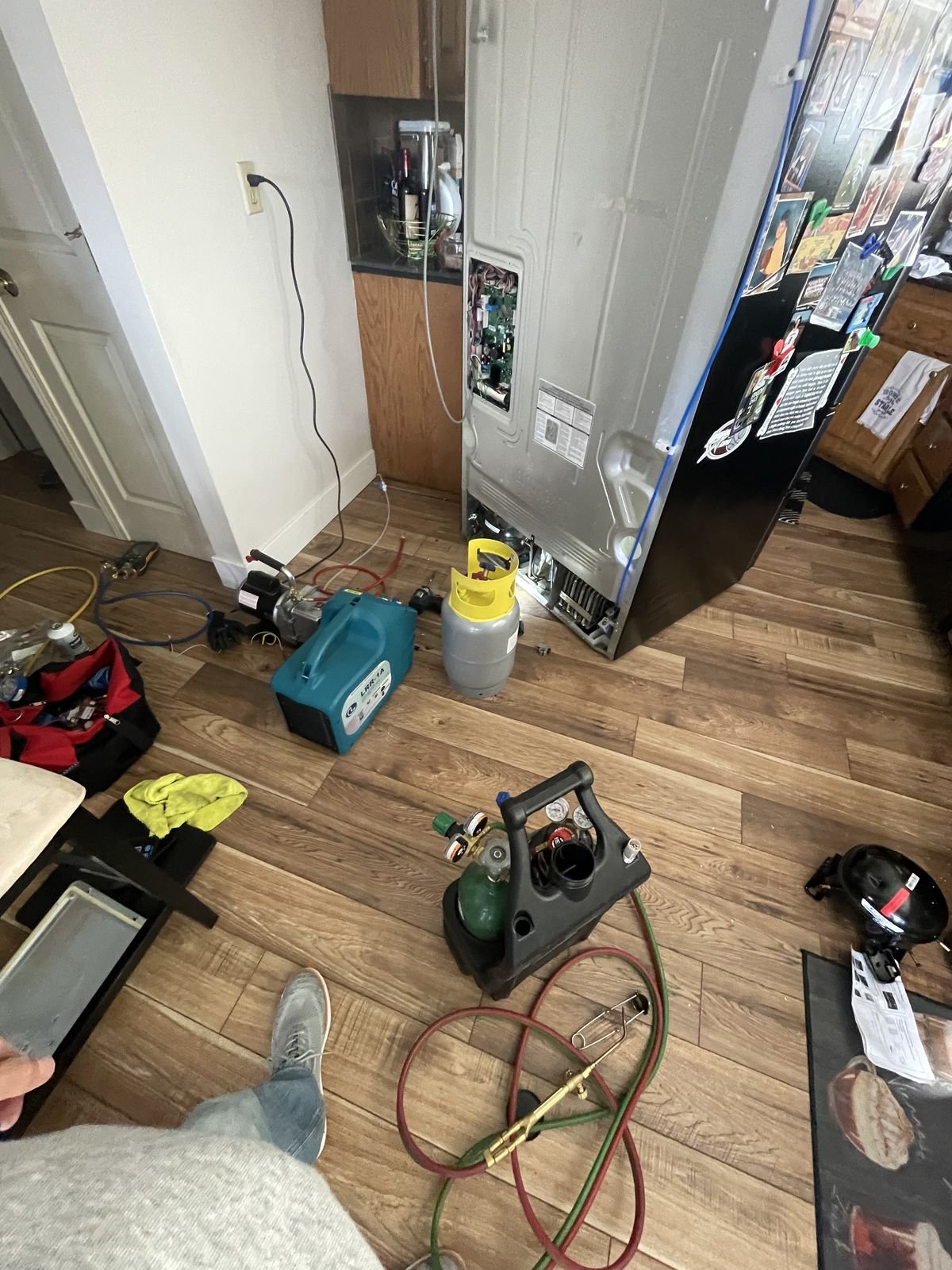
About a third of Bothell's homes went up between 1980 and 1999 and another 39% since 2000, so a typical fridge here is under fifteen years old. Many from the mid-2010s use linear compressors, which have a known history of losing capacity young. The telltale sign is a refrigerator that runs, with the compressor warm to the touch, while temperatures drift upward over days or weeks and the evaporator shows only a patch of frost. Before anyone condemns the compressor, though, we rule out the cheaper look-alikes: a failed evaporator fan, an iced coil from a defrost fault, or a stuck damper. When the compressor is the cause, check whether your sealed system is still covered by the manufacturer; we read the build date from the serial tag and handle the refrigerant ourselves, following the EPA's Section 608 requirements.
The city has also added about 1,300 downtown apartments and townhomes, and roughly one home in eight is now in a building of fifty units or more. Around six percent of homes are manufactured homes, a higher share than most cities we serve, and the unincorporated Bothell West area just outside the limits runs a little higher still. Those kitchens tend to have apartment-size fridges set into tight alcoves, where heat builds up quickly. We bring the same tools to a manufactured-home kitchen as to a new four-door model, and the written price is the same kind of document.
Water depends on which side of town you are on. The City of Bothell has been on Seattle's Tolt pipeline since 1963, a little over one grain per gallon, while Canyon Park and North Creek get Everett water through the Alderwood district, closer to 0.7. Both are soft enough that valve and dispenser failures here come from wear rather than scale. The split matters more for heating and electric programs than for your fridge, but it does explain why two neighbors a mile apart can describe their water so differently.