Furnace
The Blinking Light on Your Furnace Is Talking: How to Read Error Codes
The LED behind your furnace's panel window blinks a code. Count the flashes, check the door legend, and learn what common codes mean and which are DIY.
 Formerly Adam & Sam Brothers Repair
Heating & cooling tune-ups
A tune-up should catch the weak capacitor, the coated flame sensor and the half-clogged drain before they leave you without heat or cooling. Ours cover furnaces, heat pumps, central air and mini-splits, run from $149, and end with written readings.
Around the north end of the metro, equipment works on an uneven calendar. Gas furnaces sit through summer and then fire for months once the October rains settle in. Air conditioners idle until a heat wave hits and suddenly run around the clock. Heat pumps and mini-splits work nearly all year, heating through the long damp winter and cooling in July and August. The parts that fail are the ones stressed by those jumps: run capacitors in the first hot week, flame sensors and igniters on the first cold night, condensate drains that clog quietly over summer. A tune-up timed ahead of the season catches most of them while the fix is still small. None of it is dramatic: a capacitor that would have quit on the first hot afternoon, a drain that would have flooded a closet, a sensor that would have locked out the furnace on a frosty morning.
Timing depends on what you own. We suggest early fall for gas and electric furnaces, before the first cold snap, and spring for central air, once the June cottonwood fluff has settled on the outdoor coil. Heat pumps benefit from one visit a year that checks both modes, including a forced defrost. Mini-splits need their filters rinsed often by the owner and a deeper cleaning of the indoor heads every year or two. Spring and early fall are also calmer weeks for our technicians than a heat wave or a cold spell, so booking ahead usually gets you the day you want, whether you live in Edmonds, Kenmore or Everett. If your equipment is still under a manufacturer warranty, a yearly service record can also help should a claim ever come up.
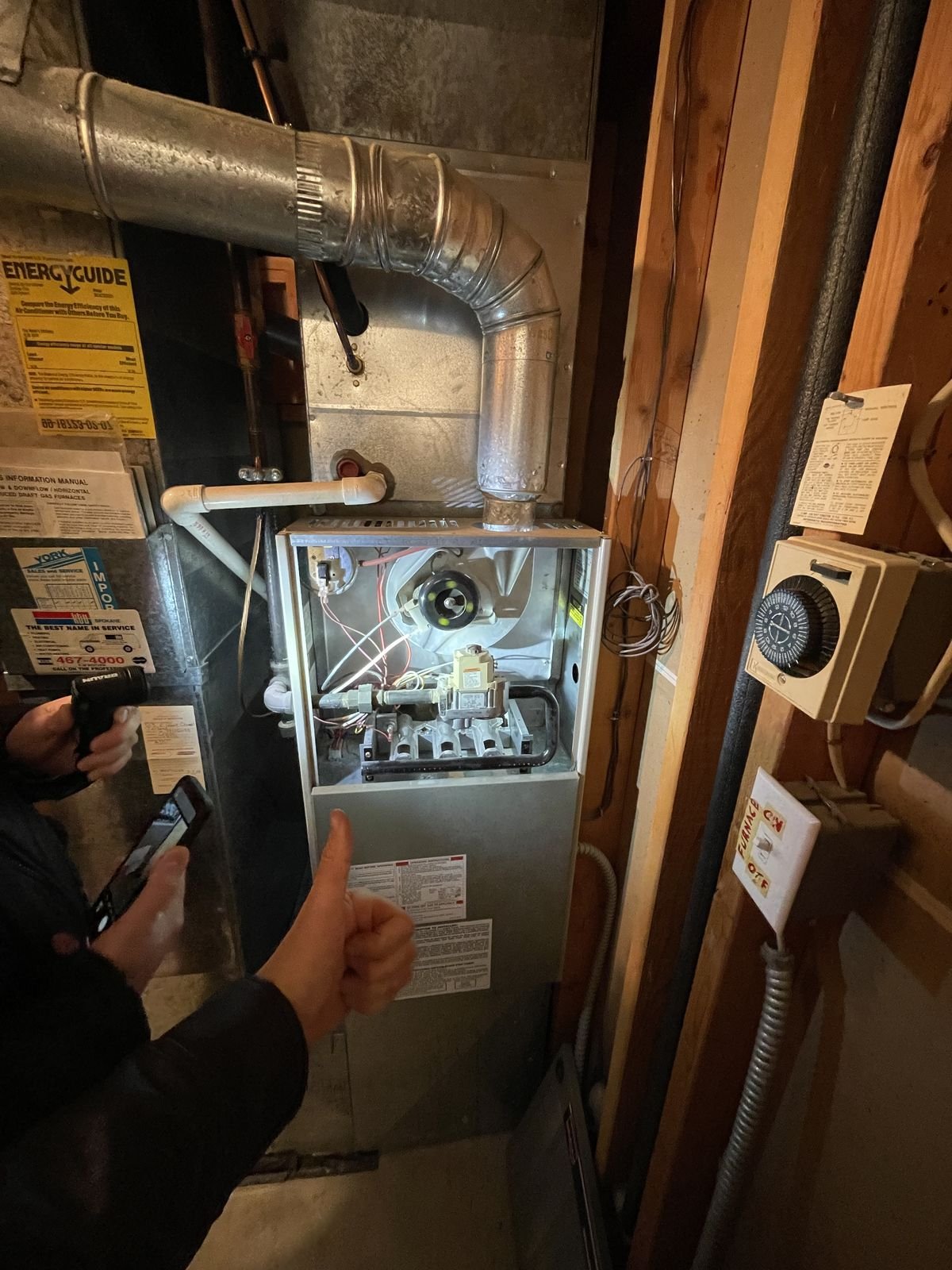
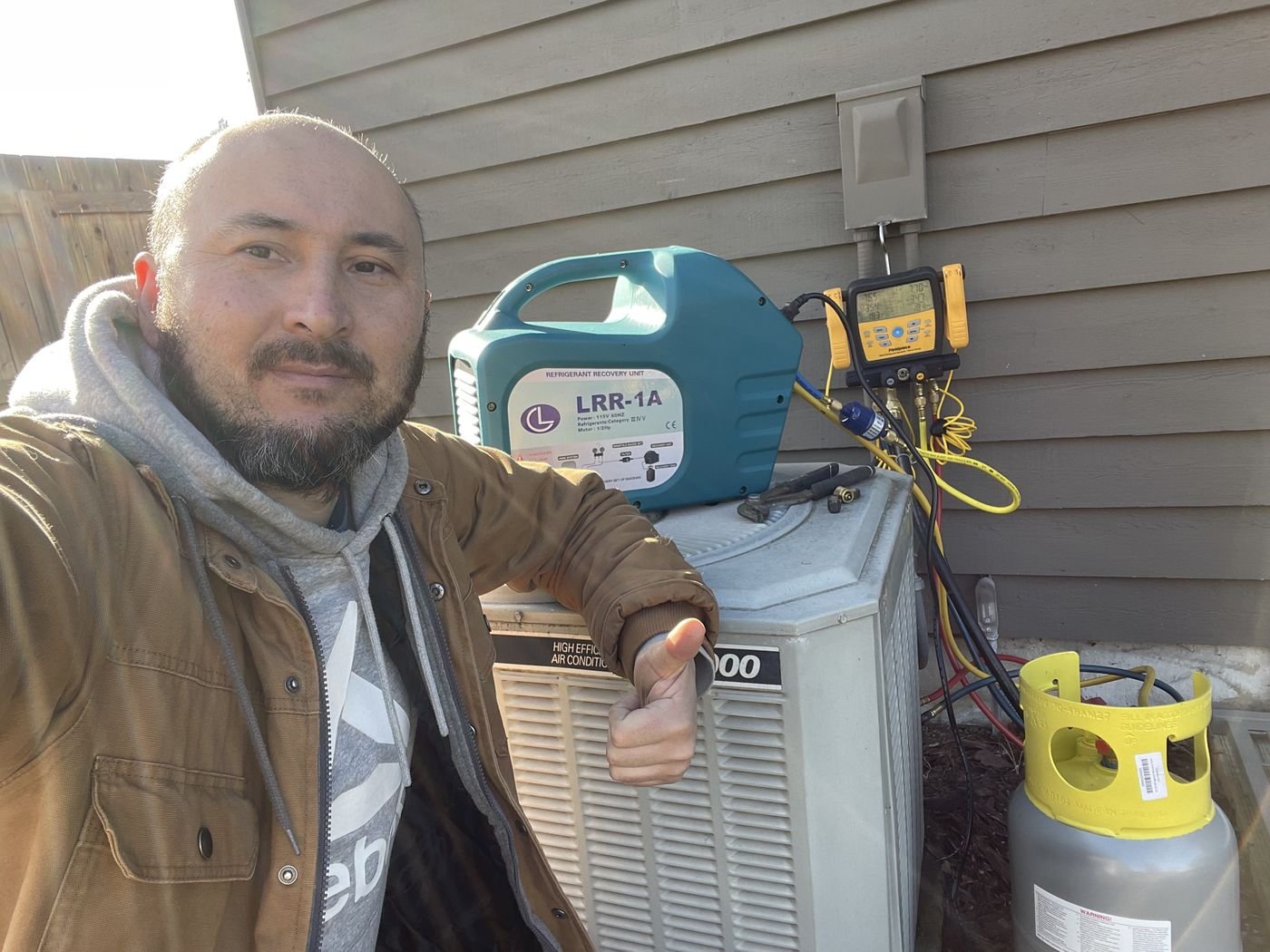
On a gas furnace we check the igniter, clean and measure the flame sensor, verify inducer and pressure switch operation, inspect the burners and flame, measure temperature rise against the nameplate, test the limit, look over the flue and condensate trap, and check for carbon monoxide in the supply air. Electric furnaces get each heat strip, sequencer and limit tested under load, plus the blower amp draw. On central AC and heat pumps we measure capacitor values, compressor and fan amps, the temperature split across the indoor coil and the refrigerant charge by superheat and subcooling, rinse the outdoor coil, inspect the contactor for pitting, and run a defrost test in heating season. Thermostat settings get a look too, especially with heat pumps, where a schedule with deep night setbacks can summon backup heat every morning.
Mini-split visits cover filters, a look at the coil and blower wheel, drain flow, outdoor coil cleaning and operating pressures where needed. On condensing furnaces we also walk outside to the PVC intake and exhaust, where leaves, drifted snow or a bird's nest can block a pipe and shut the furnace down. Every tune-up ends with a sheet of readings, so next year's visit can compare numbers and spot a motor drawing more current or a capacitor slipping. We service Carrier, Bryant, Trane, Lennox, Goodman, Rheem, Daikin, Mitsubishi and Fujitsu systems. If something is close to failing, we write a price for it, and nothing is replaced without your approval. We also never add refrigerant without first finding where it went.
Tune-ups start from $149 for a single furnace, heat pump or air conditioner. If the visit turns up a weak capacitor, a clogged condensate line or a mini-split that needs a deep cleaning, that work falls under our repair categories: AC and heat pump repair starts at $285, furnace repair at $285, and mini-split repair and cleaning at $285. All of these are starting prices for our area rather than a quote. Anything beyond the tune-up itself gets an exact written price first, and you choose what to do. Homes with more than one system, such as a furnace plus a heat pump or several mini-split heads, receive one written price for the whole visit before we begin.
Starting prices for the north Seattle area, 2026. The $85 diagnostic is included in any repair you approve, and the exact price is in the written estimate before work starts.
Furnace
The LED behind your furnace's panel window blinks a code. Count the flashes, check the door legend, and learn what common codes mean and which are DIY.
Furnace
Fan-ON settings, flame sensor dropouts, overheating limit trips, dead igniters and duct leaks all blow cold. How to tell which one you have.
Furnace
No-ignition calls follow a chain: inducer, pressure switch, igniter glow, gas valve, flame sensor. Where each link fails and what the clicking means.
Once a year for each system is the usual rhythm. Gas furnaces are ideally checked in early fall, central air in spring, and heat pumps once a year with both modes tested. Mini-splits need monthly filter rinses from the owner during heavy-use seasons and a professional cleaning every year or two, depending on how hard they work.
A heat pump that runs most of the year wears steadily, and the early signs are invisible: a capacitor slipping below its rating, a motor drawing more current, a slow refrigerant leak. A yearly visit catches those before they turn into a no-heat call in January. It also confirms the defrost cycle works, which matters in our damp winters.
Only when there is a measured reason. A sealed system does not use up refrigerant, so a low charge means a leak somewhere. We check the charge with superheat and subcooling readings; if it is low, we quote a leak search and repair in writing instead of quietly topping it off.
Yes. Many homes have a furnace with a central AC or heat pump on the same air handler, and checking both together saves a trip. The furnace gets its combustion and safety checks, and the outdoor unit gets its electrical and refrigerant readings. You receive one sheet with both sets of numbers.
No, but we check thermostat wiring, settings and accuracy during the visit. With heat pumps, a thermostat that calls for backup electric heat too early can raise winter bills noticeably. If the thermostat is failing or does not suit your system, we quote a replacement in writing.
Talk to Adam & Sam
Want the furnace or heat pump checked before the season turns? Call the shop, or book a tune-up online. If the visit leads to a repair, booking online takes up to $18 off it, and for repairs outside a tune-up the $85 diagnostic is included once you approve the work.
Schedule a repair
Send the basics and we call you back with an arrival window, most days the same morning.